
The importance of SEL in your preschool, kindergarten or elementary school:
Mariposa is committed to long-term partnership and in-depth SEL ecosystem support. What does this mean? We help school administrators pursue a shared understanding of how to develop trust and connection with children, by working with parents, teachers and staff to model effective and research driven SEL techniques. This has led to lower teacher stress, decreased challenging student behaviors, better attendance, less conflict between parents and teachers.
Talk With Dr. Townsend and Jenny Barrett
IMPROVE TEACHER RETENTION
Teachers that don’t feel supported or equip to handle the challenges of a classroom often burnout quickly and have lower job satisfaction. Often times outdated approaches to challenges are ineffective, short lived or even make things worse. And many of them involve extra time and work for the teacher. We equip your teachers with the SEL skills to handle the challenges that come along in their day-to-day work. We help teachers handle challenging students, parental conflicts,
Many SEL programs focus on how to change a child’s behavior.
At Mariposa, we focus on a different question:
“How can we reduce stress & equip adults to develop a relationship that builds emotional resilience in children?”
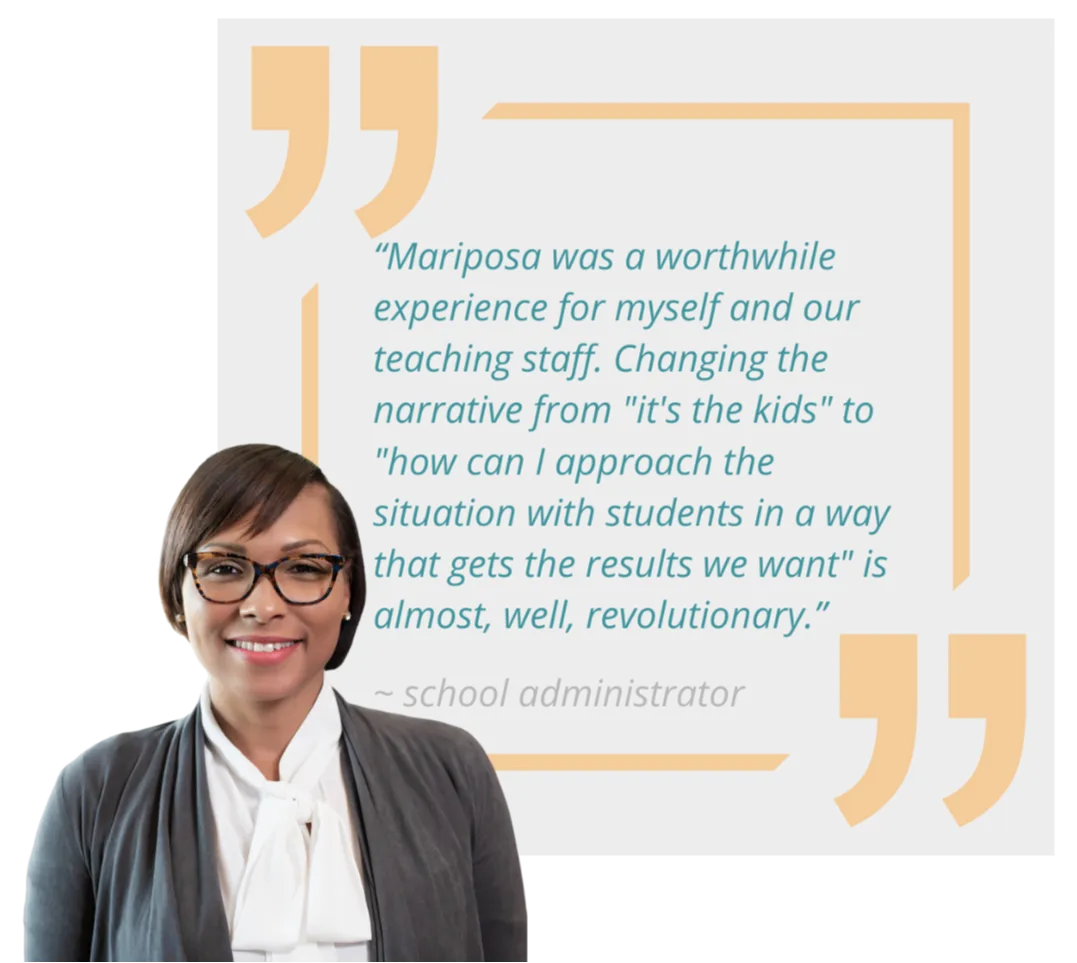
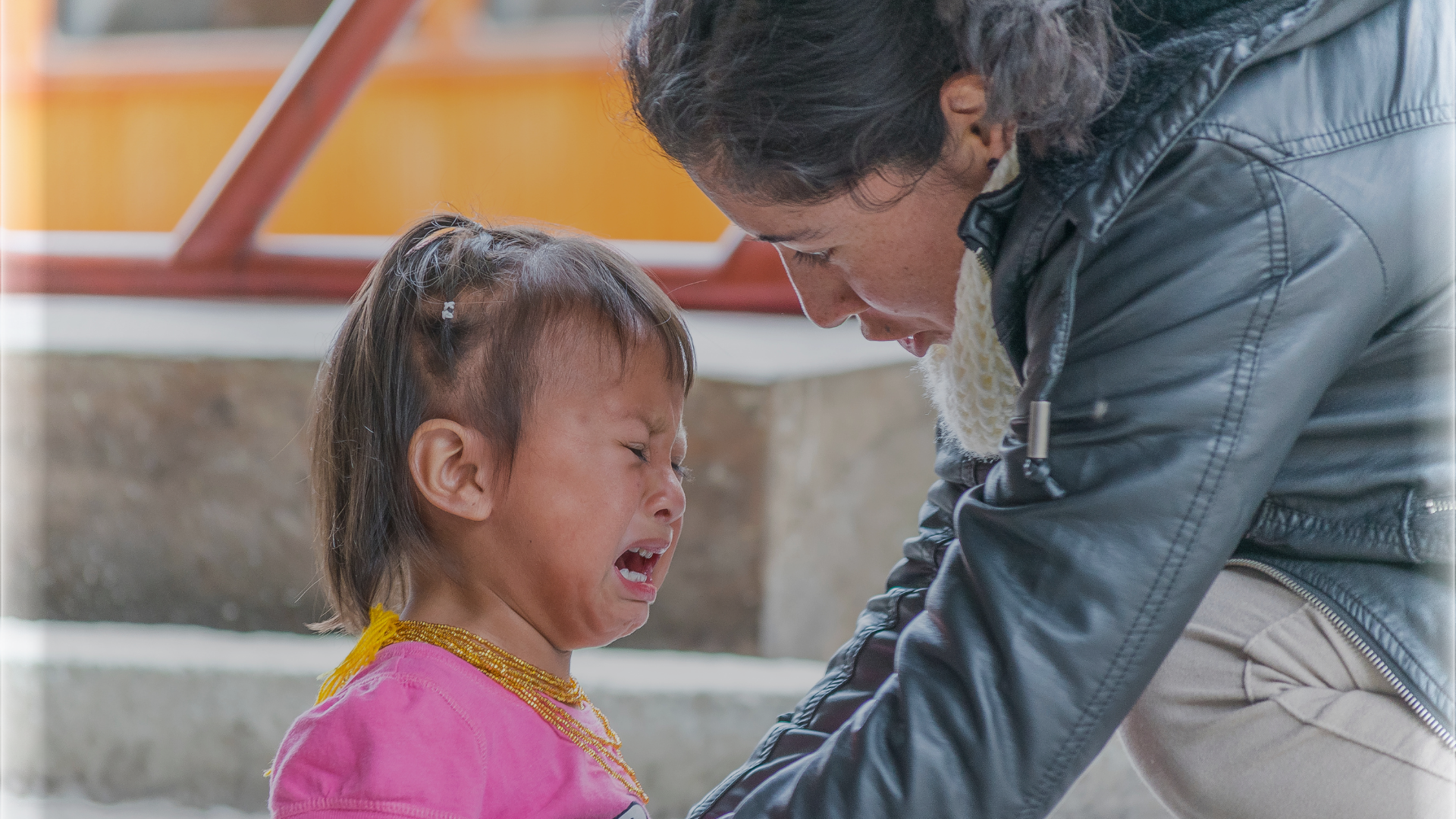
DECREASE THE NUMBER OF STUDENTS WITH CHALLENGING BEHAVIORS
School administrators are under pressure to make sure all students are getting a quality education. When challenging behaviors rise, the disruptions to education impact everyone, and can consume the day of the administrator. Instead of moving forward, you often feel like you are playing defense all day. At Mariposa, we teach the adults the specific skills and responses that research shows can improve relationships, increase social emotional skills, and decrease challenging behaviors...in big and small moments throughout the day. When all of the adults have these skills, you spend a lot less time in crisis.
DEVELOPING EFFECTIVE CLASSROOMS
The Classroom Assessment Scoring System (CLASS) is a widely recognized tool in the realm of educational research and practice, designed to measure the effectiveness of classroom interactions. CLASS plays a pivotal role in the continuous improvement of teaching quality by providing a structured framework for observing and assessing how teachers interact with students. This system is especially crucial in early childhood education, where the quality of teacher-student interactions significantly influences children's social, emotional, and cognitive development.
At its core, CLASS evaluates three broad domains of classroom interactions: Emotional Support, Classroom Organization, and Instructional Support. Each domain is broken down into several dimensions that provide a nuanced view of how teachers engage with students. For example, Emotional Support assesses the warmth, responsiveness, and respectfulness of interactions, while Classroom Organization examines the ways in which teachers manage student behavior, time, and attention to create a well-structured learning environment. Instructional Support, on the other hand, focuses on how teachers promote students' cognitive development through feedback, scaffolding, and the use of advanced language.
The classroom assessment scoring system class is instrumental in identifying areas where teachers excel and where there is room for improvement. By focusing on observable, evidence-based interactions, CLASS provides educators and administrators with actionable insights that can inform professional development and instructional strategies. This is particularly important in an era where educational accountability and teacher effectiveness are under increasing scrutiny.
Talk To Dr. Townsend and Jenny Barrett
Fill out the form below and lets start the conversation today